
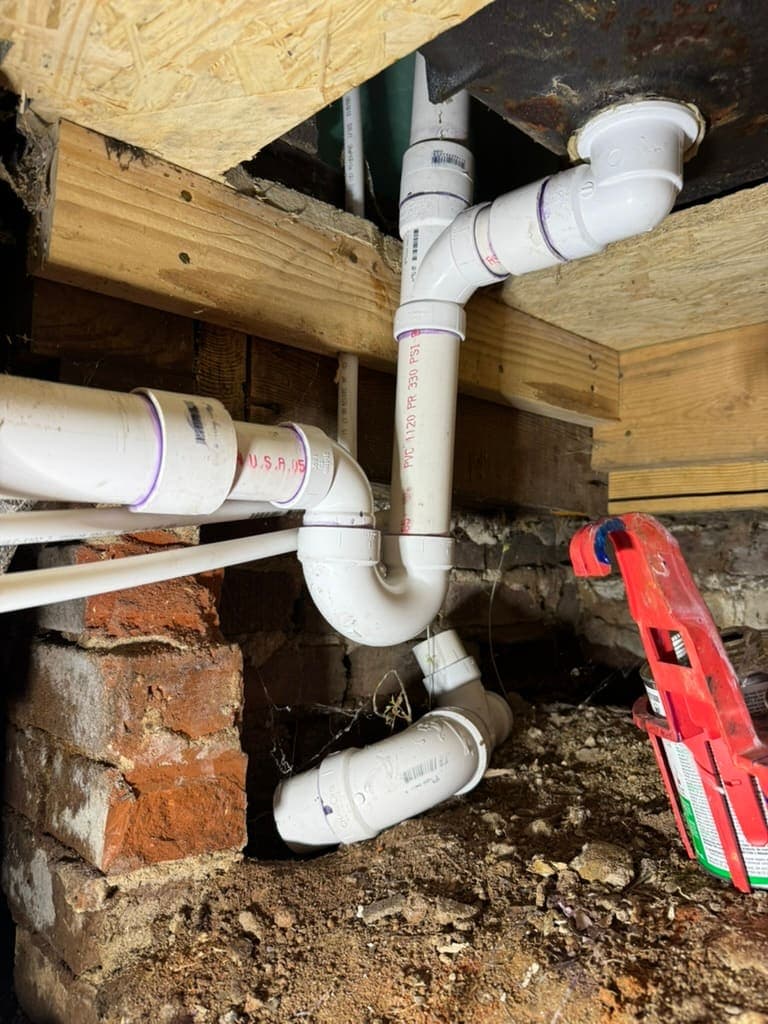
If your pipes froze during a hard freeze in Asheville, shut off your main water valve right away. This will limit pressure and help prevent a split pipe from flooding your home.
First move: stop the water and control pressure
A frozen pipe is a serious issue. Ice blocks the line, causing pressure to build behind it. If that line cracks, every minute with the main on adds to the damage. Close the main supply to give yourself time to make better choices. Not sure where it is? Look near where the water line enters your home or by the meter. Knowing this spot is crucial for future emergencies.
Once the main is off, open a couple of faucets to relieve pressure. This gives thawed water a place to go. It also helps you hear what’s happening in the lines and reduces surprises when you start warming a frozen section. If water is already flowing where it shouldn’t be, keep the main off. Avoid standing water near electrical equipment and treat the area as unsafe until it’s dry and powered down. If you rent, tell your landlord right after you shut the water off.
- Shut off the main water valve.
- Open a hot and a cold faucet to relieve pressure.
- Look and listen for leaks in exposed areas like a crawlspace or garage.
- Stay clear of standing water around outlets or appliances.
- Only start thawing once you have a controlled situation.
Thaw gently. No torch, no open flame.
Thawing is not a race. The goal is steady, controlled heat on the frozen section, with a faucet open so meltwater can flow. Use simple tools like a hair dryer, a portable space heater kept clear of combustibles, a heat lamp, or towels soaked in warm water. Avoid using a blowtorch, kerosene or propane heater, charcoal stove, or any open flame on a pipe.
Start from the end nearest a faucet and work back toward the colder area. This way, as the ice plug softens, water has an exit instead of pushing into a closed section. Stay with the pipe while you apply heat. As flow returns, watch for drips that were hidden by the freeze. If you can’t find the frozen spot or aren’t making progress, pause. A scorched joist, a melted fitting, or a fire is a far worse day than a slow thaw.
Crawlspace lines and hose bibs are frequent trouble spots
Unheated spaces make pipes vulnerable. Lines in crawlspaces, garages, and exterior walls often freeze first because cold air gets under and around them. Before you aim heat at anything, get good lighting and clear access so you can see what you’re working on and where meltwater will go. Keep the main off until you’ve inspected as much of the exposed run as possible, since a split may not show itself until the ice moves.
Outdoor hose bibs need special attention. After a cold snap, check each exterior faucet. If an interior shutoff valve serves that spigot, close it, then open the outside faucet to let it drain. This is a standard step for protecting exterior sillcocks and is part of widely published prevention checklists. The Red Cross recommends closing inside valves supplying outdoor faucets, opening the outside hose bibs to drain, and leaving them open so any remaining water can expand without breaking the pipe.
If you find a frozen hose bib with no interior shutoff, don’t force the handle. Warm the pipe from inside the wall if you can reach it, or along the exposed line before it enters the wall. Keep the main off while you work and place a bucket or towels under the spigot in case the stem or supply line split behind the siding.
Vacant rentals and vacation homes need a different plan
If you're away for a week, leave the heat on and set the thermostat to at least 55 degrees Fahrenheit. This keeps the building and plumbing closer to safe temperatures during cold snaps.
For longer absences, many owners choose to shut off the water at the main and drain the plumbing system. This reduces the amount of water available to leak if a line fails, but it’s a project that requires attention to detail. A written winterization plan should include the main shutoff location, which fixtures and low points are being drained, what happens with the water heater, and when and how the system will be refilled and checked. If you’re responsible for a vacant rental after a hard freeze, treat the first restart cautiously: keep someone on site to walk the building while the main is reopened so a hidden split doesn’t run for hours.
How to decide what to turn back on, and when
Once a frozen run thaws and flow returns, don’t rush to turn on every fixture at once. Restore water in stages while someone watches exposed piping. If you use a meter with a flow indicator, check it with all fixtures off; a moving indicator with no known use suggests a leak. If you see or hear anything you can’t identify, close the main again and reassess.
Water heaters need a check too. Some units shut themselves down if supply is interrupted or if a freeze affected their sensors. If you have no hot water once your lines are flowing again, confirm that the water heater has power or gas and a clear error status before trying resets. If the heater won’t recover cleanly, plan to address that as a separate troubleshooting job.
When to get help
Call for help if you can’t find or operate the main shutoff, if a crawlspace is wet around electrical equipment, if thawing isn’t restoring flow, or if a vacant property needs a full winterization or restart plan. Those situations can get expensive fast if they’re guessed at.
If you want to talk through a frozen or burst pipe situation in Asheville, or you’re planning how to winterize a vacant rental, call us at MRJ Plumbing at (828) 222-3903.
FAQs
What should I do if I suspect my pipes are frozen? Shut off your main water valve immediately. Open faucets to relieve pressure and then gently thaw the pipes.
How can I prevent my pipes from freezing in the future? Insulate pipes in unheated areas, keep garage doors closed, and let faucets drip during extreme cold.
When should I call a plumber? Call if you can't find your main shutoff, if there’s standing water, or if you’re unsure how to proceed with thawing.
For more services, visit our services page.