
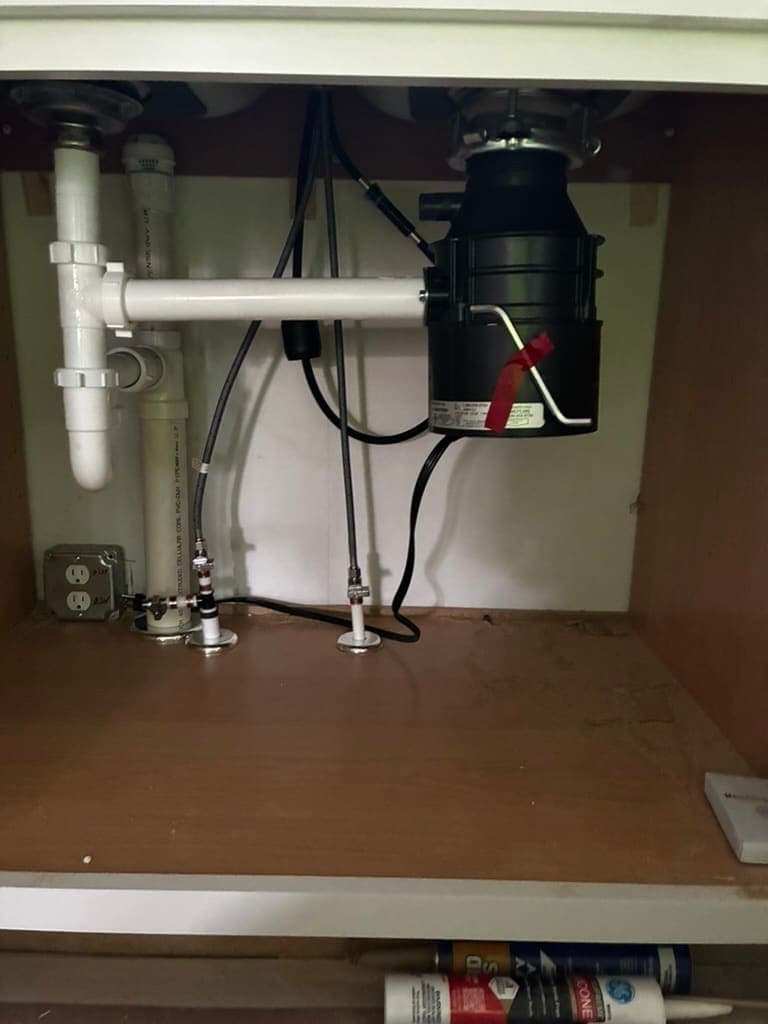
If your kitchen sink backs up after running the dishwasher or if your shower won't drain, you've got a problem. Let's tackle this together.
First, check the nearby pipes. Don't assume it's a main sewer issue right away. When the dishwasher runs, it usually connects to the same branch that serves the sink. If that branch slows down, the sink shows it first. This approach helps you describe the problem clearly when you call a plumber.
If you're also noticing slow showers and a gurgling toilet, it’s a bigger issue. It’s time to consider the building drain or the main line. You need to map what you see to know where to start looking. This way, you won’t waste money on the wrong inspection.
Plumbers look for patterns to figure out drain problems. If one room is struggling while the rest of the house is fine, it points to a local branch issue. If multiple rooms are involved, it’s time to look downstream. You don’t need to know exactly what’s blocked. Just notice where and when the problem appears.
Here are four practical questions to help sort out local versus main issues:
- Is the problem only in the kitchen, or are bathrooms acting up too?
- When one fixture runs, does wastewater show up at a lower fixture?
- Do toilets gurgle when nearby drains are in use, or is it just one sink?
- Does the issue only happen after appliances discharge a lot of water, or even with small hand-wash flows?
Each answer narrows down the conversation. If it’s only the kitchen acting up, look at that branch first. If water shows up at a lower drain when an upper fixture runs, focus downstream. Gurgling can indicate air issues, so mention it as a clue. The goal is to have a clear plan for where a professional will start.
Kitchen plumbing gets heavy use. Dishwashers release warm, soapy water mixed with food particles. Sinks deal with grease, coffee grounds, and scraps that shouldn’t go down but often do. All this goes through a short run of pipe with turns, a trap, and sometimes a disposal. When flow slows anywhere in that run, the sink is the first place you’ll notice it.
Air movement is also key. Drains need venting to allow water to flow without creating suction. If air can’t enter where it should, water hesitates, leading to gurgling noises. Sharing these details when you call helps us decide whether to start at the sink-side access point or further down the line.
Many homes use cast iron in parts of the drainage system. Cast iron is durable, but the inside can roughen and narrow with age. This roughness traps grease and debris more easily than smooth plastic. The result? Repeated slowdowns, especially after heavy kitchen use.
Cleaning methods differ based on pipe material. With older cast iron, it’s not just about getting it flowing today, but also about leaving the inside in better shape. Ask your plumber about the access point they plan to use, the cleaning method for your pipe material, and what they’ll do if they hit a hard stop. If parts of your system are cast iron, you want clear answers before work starts.
When you call about a kitchen backup, ask for a clear starting point and what happens if the first step doesn’t clear it. “We will open and clean the kitchen branch through [named access], and if flow doesn’t return we will evaluate the building drain through [named cleanout]” is much better than a vague “drain cleaning.” This approach turns your observations into a path for the technician to follow.
If the problem is bigger than one room, ask how they’ll isolate the issue before bringing out heavier tools. A solid scope outlines access locations, equipment types, what “clear” means, and where they’ll pause to talk with you before adding time or cost. If a line is known or suspected to be cast iron, ask how they’ll avoid stressing joints and what signs would cause them to stop and consult you.
One last point: backups don’t respect your schedule. If the kitchen sink only fails after big dishwasher runs or family weekends, make sure to tell your plumber. Clear communication leads to faster solutions.
If you want to discuss your specific situation with a local plumber, call (828) 222-3903.