What hydro-jetting does
A jetter pumps water at high pressure through a hose with a nozzle on the end. Jets on the back of the nozzle pull the hose down the line and scour the pipe wall, and a jet on the front breaks up the blockage ahead of it. The loosened grease, sludge, and scale wash downstream and out of the line.
The result is different from a cable cleaning. A cable opens a path through the clog. Jetting cleans the full width of the pipe, so there is less left behind for the next clog to form on.
Hydro-jetting or a cable machine
Most clogs don't need hydro-jetting. A sink, tub, or toilet that stopped up once is usually cleared with a cable machine sized to the pipe, and that is what we recommend.
Jetting is the better choice when the problem is buildup along the pipe rather than a single blockage. Kitchen lines are the usual case. Grease coats the pipe wall, a cable punches a hole through it, and the line slows down again within weeks. Main lines with heavy sludge or scale respond the same way.
We look at how the line has behaved and what is in it, then tell you which method fits and what each one costs.
When we inspect the line first
High-pressure water is safe for sound pipe when the pressure and nozzle are matched to the pipe's size and material. It is the wrong tool for a pipe that is cracked, collapsed, or corroded thin, because the water can make the damage worse and escape into the soil around the break.
Many older Asheville homes have clay or cast-iron sewer lines, and some built between the 1940s and the early 1970s have Orangeburg, a pipe made of wood fiber and tar that softens and flattens with age. If your home is older, or the line has backed up more than once, we run a camera through it before we jet. If the camera shows a broken pipe, the fix is a repair, and cleaning would only delay it.
Restaurants and commercial kitchens
Commercial kitchens send far more grease and food waste down the drain than a house does. Kitchen lines, floor drains, and the line leaving the grease trap all build up, and a backup during service closes the kitchen.
Food service businesses on public sewer are required to keep a grease interceptor and have it pumped on a schedule. That is the grease hauler's job. Ours is the piping. We jet the lines that run to and from the interceptor on a schedule that matches the kitchen's volume, and we book the work early in the morning so it is finished before you open. Our hours are Monday through Saturday, 7am to 7pm.
How a hydro-jetting job goes
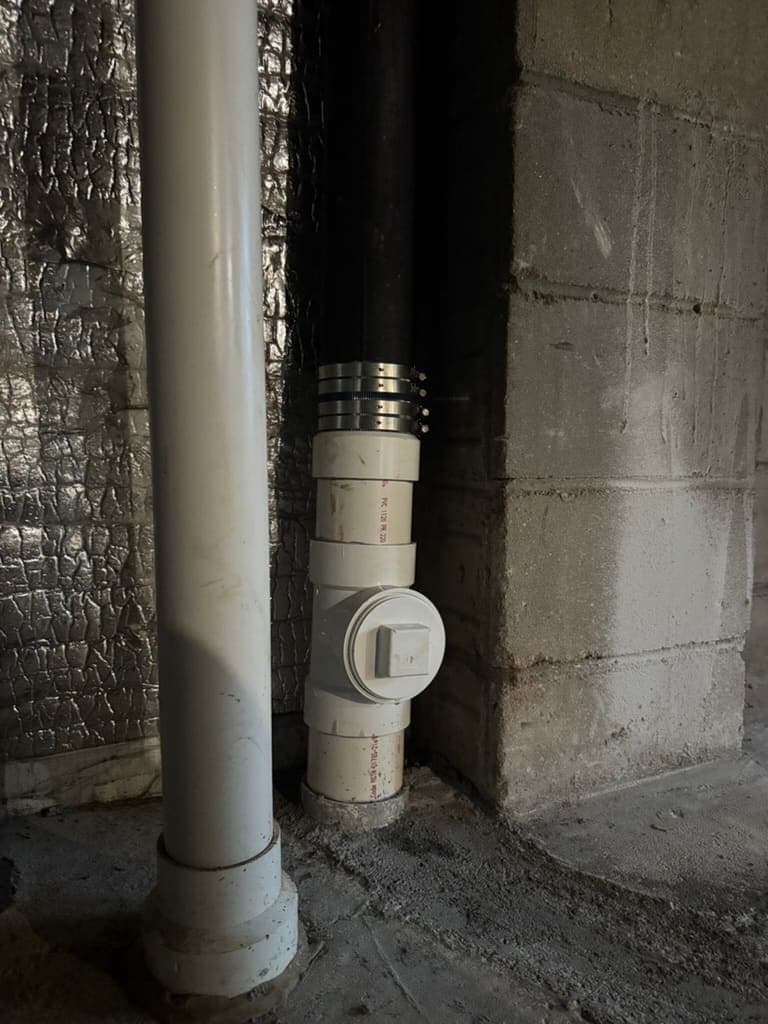
We find the best access point, usually a cleanout, and protect the work area. We jet the line, working downstream toward the sewer main, then run water and check that the line carries it. When the line's condition is in question, we finish with a camera so you can see the result.
Before any work begins, you get a price. If we find that the line needs a repair rather than a cleaning, we show you why and explain your options.